

Traveling abroad is exciting, but hidden banking fees can eat into your budget. ATM surcharges and poor exchange rates often cost travelers money without them noticing. Financial analysts say out-of-network ATM fees can average $4.86 per transaction in some places, and currency conversion markups can reach 13% in rare cases.
If you read Ocean Finance Hub, learning how to avoid these costs is important. Here are 16 practical, proven strategies that experienced travelers use to protect their money and get the most value from every transaction abroad.
1. Use a Card with No Foreign Transaction Fees

A simple way to save money is to use a debit or credit card that doesn’t charge foreign transaction fees. Many banks still charge 1% to 3% per transaction, which can add up fast during your trip.
Travel experts often suggest using cards made for travelers because they don’t have these fees. On a $3,000 trip, skipping a 3% fee saves you $90 right away. That’s money you can spend on experiences instead of bank charges.
2. Choose Banks That Reimburse ATM Fees

Some banks will reimburse ATM fees anywhere in the world, which is great for frequent travelers. These accounts can refund both your bank’s fees and ATM operators’ fees.
Travel finance experts say this one step can eliminate almost all ATM-related costs. It’s especially helpful for long-term travelers or digital nomads who often need to withdraw cash while abroad.
3. Always Decline Dynamic Currency Conversion

If an ATM asks if you want to be charged in your home currency, always say no. This feature, called dynamic currency conversion, usually has bad exchange rates and hidden extra costs.
Studies show these extra charges can be as high as 13%, much more than what banks usually charge. If you choose the local currency, your bank will handle the conversion at a better rate.
4. Withdraw Larger Amounts Less Frequently
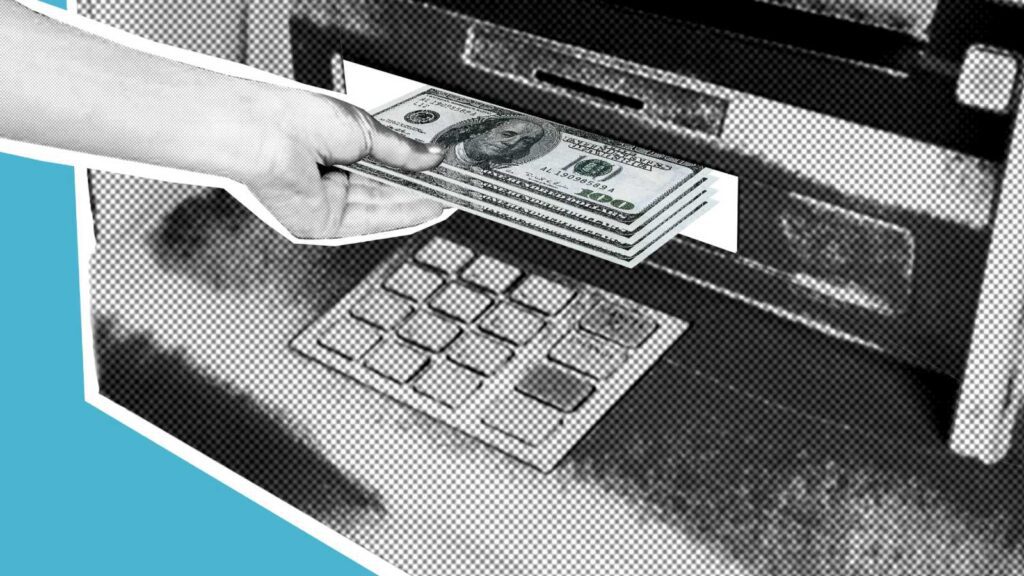
Every time you use an ATM, you might incur fees, including flat charges and percentage-based costs. If you take out more money at once and make fewer withdrawals, you’ll pay fewer fees overall.
For example, if you withdraw cash five times, you pay five fees. Taking out a larger amount just once can lower your costs by up to 80%. It’s a simple and very effective tip.
5. Use In-Network or Partner ATMs

Many banks work with partners overseas, so you can withdraw money for free at certain ATMs. Using these machines helps you skip out-of-network fees altogether.
Out-of-network fees are usually $2 to $5 each time, so this is a great way to save money. Be sure to check your bank’s global ATM network before you travel.
6. Avoid Airport ATMs and Exchange Counters

Airport ATMs and currency exchange kiosks are convenient, but they’re often the most expensive choices. They usually have poor exchange rates and higher service fees.
Experts suggest getting cash in the city instead, where more competition means better rates. This small change can make a big difference in how much you get for your money.
7. Pay with Card Instead of Cash When Possible

Paying with a card means you don’t need to use ATMs as much, so you avoid withdrawal fees. Travel credit cards also usually give you better exchange rates than cash exchanges.
Additionally, card payments provide added security and fraud protection, making them a safer and more cost-effective option for many purchases.
8. Use Multi-Currency Accounts
Multi-currency accounts let you keep and spend money in different currencies at good exchange rates. They’re especially helpful for people who travel often.
These accounts often give you rates close to the real market rate, so you avoid the hidden fees that regular banks and exchange services charge.
9. Monitor Exchange Rates Before You Travel

Exchange rates change every day, so the timing of your currency conversion matters. By keeping an eye on rates, you can exchange money when the rates are better. Even a 2% or 3% better exchange rate can save you a lot, especially if you have a big travel budget.
10. Avoid Frequent Small Purchases in Foreign Currency

Each time you make a purchase in another country, you might pay a fee. Making lots of small purchases can add up, so try to combine them to cut down on charges.
This tip is especially helpful if your bank charges a fee per transaction rather than a percentage of the amount.
11. Inform Your Bank Before Traveling

Letting your bank know about your travel plans can help prevent declined transactions and avoid emergency withdrawals. It also makes it easier to use your money while you’re abroad.
If your card gets blocked unexpectedly, you might have to use more expensive payment methods, which means higher fees and more hassle.
12. Use Debit Card Cashback Options Abroad
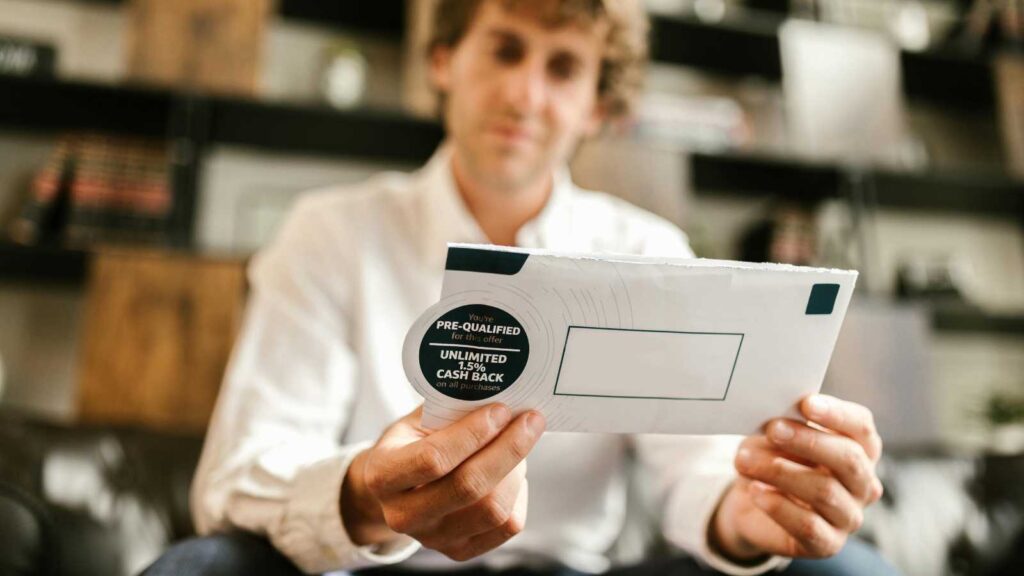
Some stores let you get cash back when you pay with your debit card. This way, you can get cash without using an ATM and avoid withdrawal fees. This isn’t available everywhere, but it’s a handy option in countries that offer it.
13. Understand All Potential ATM Fees
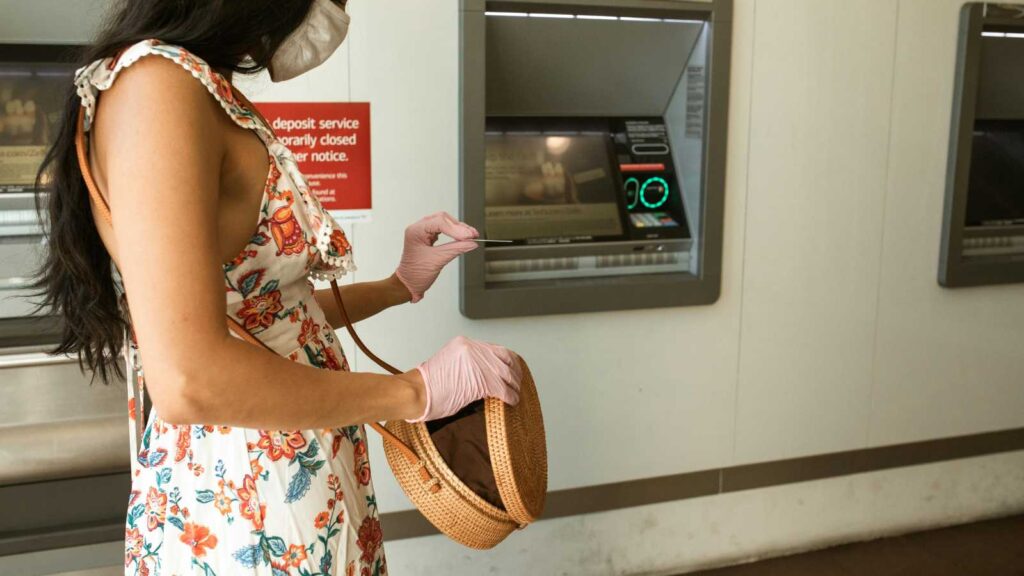
Travelers often get hit with several fees at once, such as bank fees, ATM operator charges, and currency conversion costs. Knowing about these different fees helps you make better choices and avoid surprise charges on your account.
14. Carry a Backup Payment Method
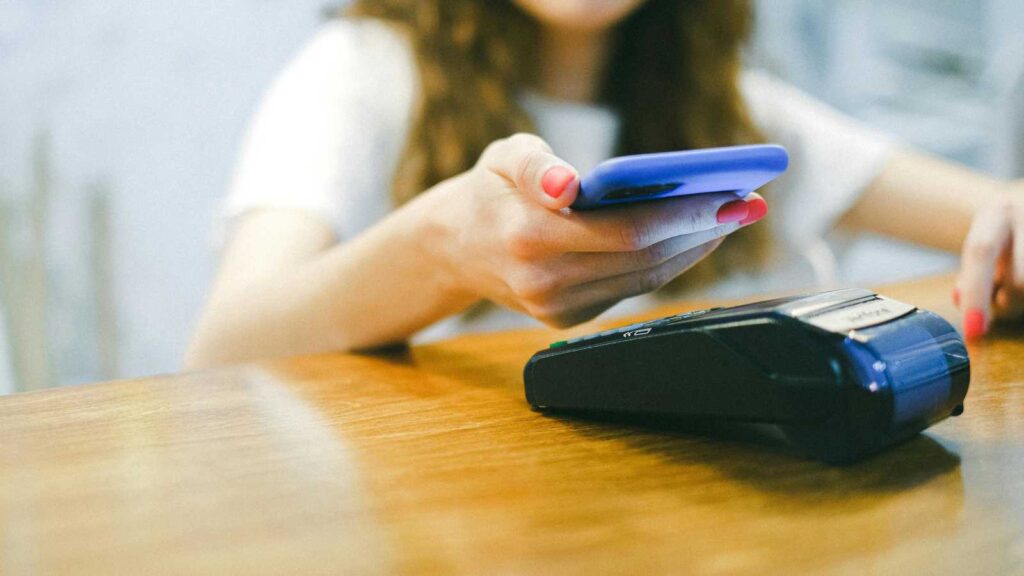
Carrying more than one card means you can avoid expensive options if one card doesn’t work. It also lets you pick the cheapest way to pay. Experienced travelers always have backup payment options to stay flexible with their money.
15. Use Digital Wallets Where Accepted
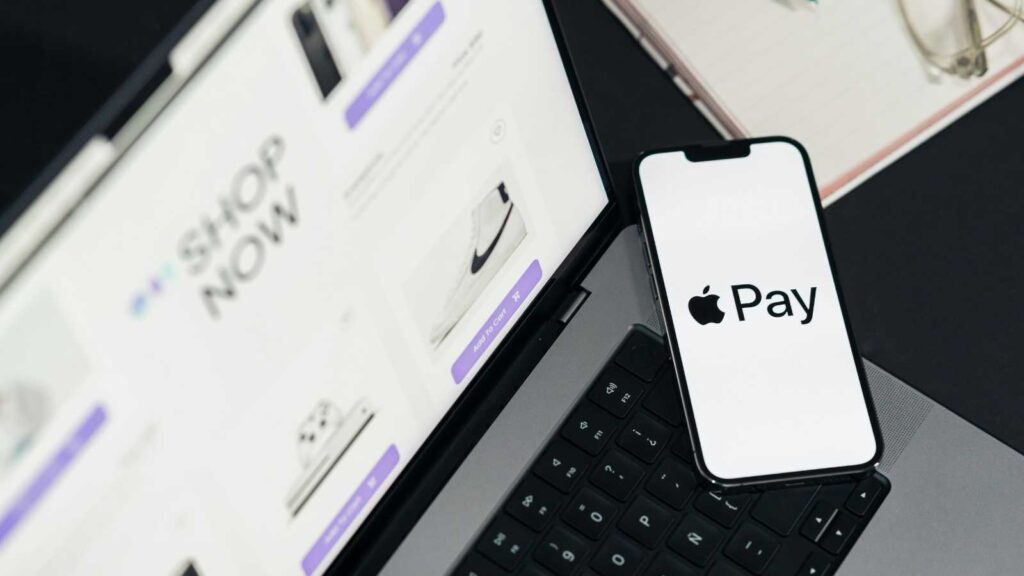
Digital wallets like Apple Pay or Google Pay often offer competitive exchange rates and can cut card processing fees.
They also make your payments more secure, which means you don’t have to carry as much cash, which lowers both risk and costs.
16. Plan Your Cash Needs in Advance

Planning ahead helps you avoid last-minute withdrawals in high-fee locations like airports or tourist hotspots.
Financial planners say that being prepared is the best way to cut travel costs. As one expert puts it, “Most international ATM fees are predictable—and avoidable with planning.”
Final Thoughts
ATM and currency fees are often overlooked, but they can quietly cost travelers hundreds of dollars on a single trip. With ATM fees going up worldwide and exchange rate markups hitting double digits, it’s more important than ever to plan ahead.
By applying these 16 smart strategies, international travelers can significantly reduce unnecessary charges and keep more money for what truly matters—experiences, exploration, and unforgettable memories.

Kim Woods is a finance writer with over four years of experience creating insightful and engaging content on personal finance, travel budgeting, and wealth-building strategies. He is passionate about helping readers make smarter money decisions through clear, practical advice.
His work has been featured in high-ranking finance publications, where he has covered topics such as saving, investing, and financial planning for modern lifestyles. Known for simplifying complex financial concepts, Kim combines data-driven insights with real-world strategies to deliver value-driven content.
At Ocean Finance Hub, he focuses on empowering readers with actionable tips to grow, manage, and enjoy their finances with confidence.