

A retired couple, relaxing on their balcony and looking out at the coast, wondered, “How are other retirees managing to cruise so often without running out of money?”
They had just come back from a cruise that appeared magical, but it cost more than they expected. After upgrades, excursions, and onboard spending, their final bill was nearly $2,000 over budget.
What they didn’t know is that thousands of retirees around the world are cruising more often while spending much less. Cruise industry data shows the average retiree spends about $6,000 to $7,000 per trip, but savvy travelers are lowering that cost with simple money-saving strategies.
As travel experts often say, “Cruising is not expensive—unplanned cruising is.”
1. The Secret Most Retirees Learn Too Late: Timing Changes Everything

A retired teacher from Florida shared how she cut her cruise costs by nearly 35% simply by shifting her travel dates away from peak holiday seasons.
Instead of Christmas or summer sailings, she now travels in quieter months like March or October.
Cruise pricing experts say that demand-based pricing is important. When there are fewer travelers, fares are lower.
For many retirees, this single decision has become the difference between one cruise a year and two.
2. The Cabin Upgrade Trap That Quietly Drains Savings

Many retirees admit they fall into the “just one upgrade” mindset. A balcony here, a suite there, and suddenly the budget is gone. In reality, balcony cabins can cost $1,500 to $3,000 more per trip, depending on the route and cruise line.
Financial advisors often remind retirees that “your cabin is for sleeping, not living.”
Most of the real value of a cruise is found on deck, in the dining halls, and during shore excursions, not inside the room.
3. The Discounts Most Seniors Never Claim

A surprising number of retirees don’t realize they qualify for senior discounts or loyalty rewards.
Cruise lines quietly offer reductions of 5% to 15%, especially for returning guests.
A travel consultant once explained it simply: “Cruise companies reward loyalty, but only if you ask for it.”
Those who do often end up saving enough for an extra shore excursion—or even another short cruise later in the year.
4. The Early Bird vs Last-Minute Gamble That Pays Off

Some retirees book a year in advance and secure strong discounts. Others wait until the last few weeks and grab unsold cabins at reduced prices.
Both strategies can save up to 30%, but each comes with trade-offs.
Early planners enjoy better cabin choices, while last-minute travelers enjoy lower prices but less flexibility.
In both cases, timing is a powerful monetary tool, not merely a travel decision.
5. The Hidden Charges That Shock First-Time Cruisers
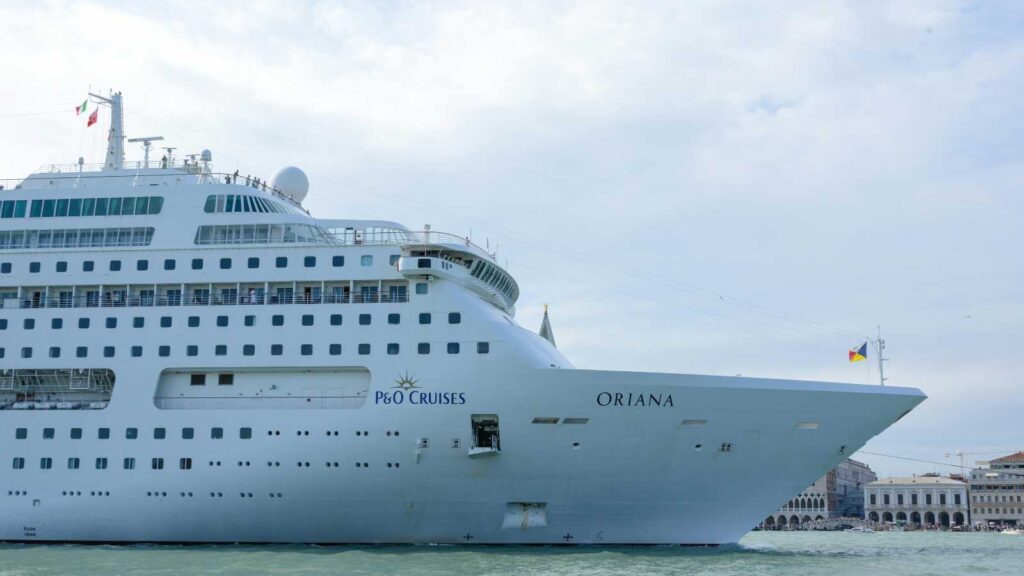
One retiree described her surprise when the “all-inclusive” cruise wasn’t actually all-inclusive.
Gratuities, Wi-Fi, drinks, and excursions can quietly add $500 to $1,500 to each trip.
Financial advisors consistently warn that these hidden costs are where most budgets break.
Now, the savviest retirees set aside a separate “onboard spending budget” before they board the ship.
6. The Insurance Mistake That Can Cost Everything

Many retirees assume their health coverage works overseas, but it often does not.
Industry data show that many seniors travel without proper cruise insurance, putting them at serious financial risk.
Experts strongly recommend insurance that covers medical emergencies, cancellations, and evacuation costs.
As one insurance specialist put it: “A small premium today can prevent a retirement disaster tomorrow.”
7. Turning Everyday Spending Into Free Travel

A growing number of retirees are using credit card rewards programs to turn groceries, gas, and bills into cruise discounts.
Some even accumulate enough points to reduce cruise costs by hundreds or thousands of dollars.
Travel finance experts call this “slow travel funding,” in which everyday spending gradually pays for future vacations. When combined with cruise loyalty programs, the savings become even more powerful.
8. Why Shorter Cruises Are Becoming the Smart Choice

Instead of long 14-day voyages, many retirees are choosing 4–7 day cruises.
These shorter trips can cost 30% to 50% less, while still offering the same onboard experience.
One retiree explained it best: “I’d rather enjoy two short cruises a year than stress over one expensive long one.” This means more travel, less financial pressure, and a better balance in retirement.
9. The Couples Strategy That Cuts Costs in Half

Cruise lines often heavily discount the second guest, especially for couples traveling together.
This pricing can lower per-person costs by up to 25%. Retirees are now strategically booking as couples or small groups to unlock shared savings. Even onboard costs like taxis, excursions, and meals are cheaper when shared.
10. The Travel Agent Advantage Most People Ignore

While online booking seems easier, many retirees are returning to travel agents for cruise planning.
Agents often have access to hidden promotions, cabin upgrades, and bundled deals that are not advertised to the public.
Industry estimates suggest you can save 10% to 20% by booking via specialized cruise agents.
For retirees on fixed incomes, that difference can fund an entire additional excursion package.
11. The Shore Excursion Shock That Breaks Budgets

Excursions are often the most exciting part of a cruise, but they are also among the most expensive.
Some retirees spend $100 to $300 per port, which quickly adds up to a higher total trip cost.
Smart travelers now explore ports independently or hire local guides rather than rely on cruise packages.
The experience is still rewarding, but the cost drops significantly.
12. The Cruise Line Choice That Changes Everything
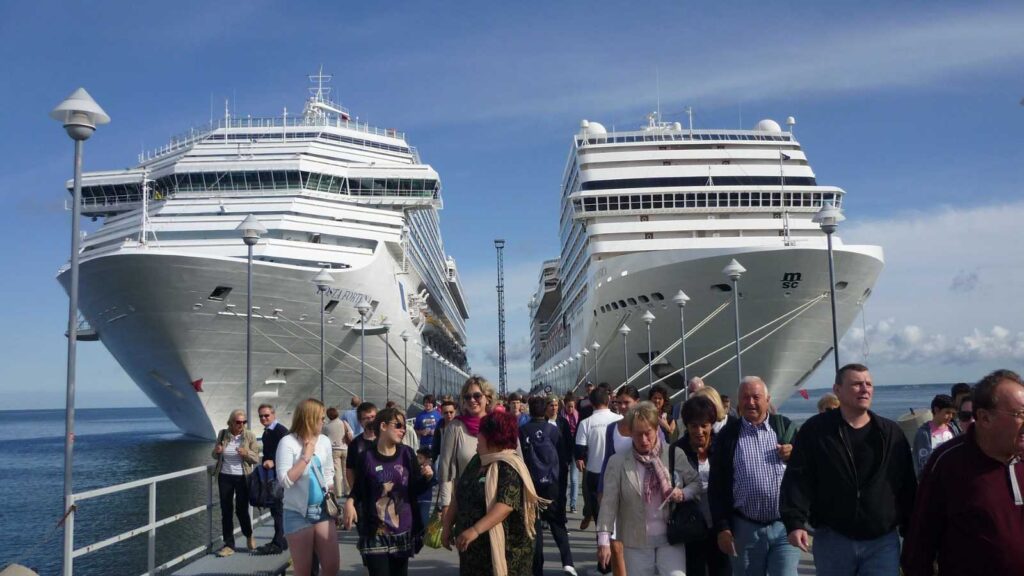
Not all cruise lines are the same, but many retirees choose based on brand rather than value.
Mid-range cruise lines often include more in their base price, while luxury options usually have extra fees.
Financial experts insist on one key rule: “Don’t compare ticket prices—compare total vacation cost.”
This change alone has helped retirees avoid overspending and make smarter travel choices.
Final Reflection: The Real Secret Retirees Are Discovering
Back on their balcony, where the story began, the retired couple realized something important.
Cruising wasn’t the problem—it was the lack of strategy.
Retirees around the world are now enjoying more cruises, more destinations, and more freedom, all while spending less.
Travel data shows that those who plan wisely not only travel more, but also travel better, longer, and with much less financial stress.
In retirement, the real luxury is not just the cruise itself, but knowing you can afford to take the next one too.

Patrick Mbau is the founder of Ocean Finance Hub, writing about personal finance, travel finance, and money management for cruise ship workers, expats, and global earners.
He has worked abroad on a cruise ship and writes from real-life experience helping others manage and grow their income while working overseas.