

Traveling is one of life’s greatest pleasures, but many travelers find that the price they planned for differs greatly from what they actually spend. Hidden fees and overlooked expenses can quietly inflate trip costs by 20% to 40%, according to travel cost analyses.
From sneaky hotel charges to unanticipated transportation costs, hidden travel expenses can quickly destroy even the most carefully planned budget. Here are 14 hidden travel costs to watch for before your next trip.
1. Resort and Destination Fees

Many hotels advertise attractive nightly rates but add mandatory resort or destination fees at checkout.
According to a NerdWallet analysis, the average resort fee across major hotels is about $42.41 per night, adding nearly $300 to a week-long stay.
These charges cover amenities like Wi-Fi, gym access, or pool use, even if you never use them.
Travel industry specialist Sarah Nguyen warns:
“Resort fees are the biggest scam in hospitality today. They weaken trust and mislead consumers.”
2. Hotel Taxes and Local Tourism Fees

Hotel prices frequently exclude city, tourism, and occupancy taxes, which vary widely by destination.
In some popular tourist cities, hotel taxes alone can add 18% to 23% to the listed price.
Many travelers discover these fees only upon arrival or when they receive the final bill.
3. Airline Baggage Fees

Low-cost airlines frequently advertise ultra-cheap tickets but charge extra for almost everything—including luggage.
Travel experts note airport baggage fees can be two to three times higher than fees paid online in advance.
For families or long trips, baggage charges can easily add $50–$200 per person to the total travel cost.
4. Seat Selection Charges
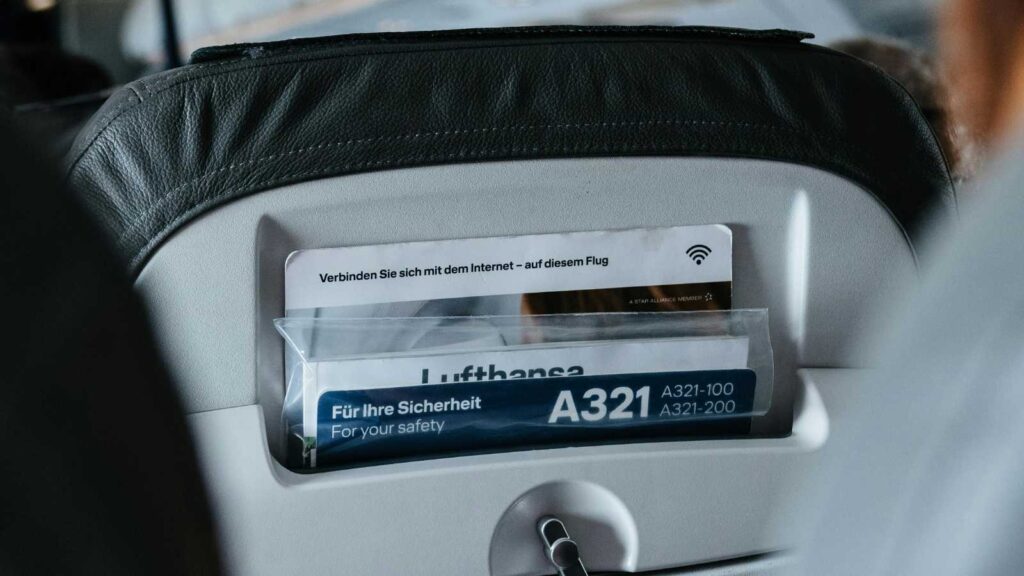
Many airlines now charge passengers to choose their seats, especially on budget carriers.
While the fee may seem small, typically $10 to $40 per seat, it becomes expensive for groups or families wanting to sit together.
5. Cleaning and Service Fees on Vacation Rentals
Short-term rentals like Airbnb often seem cheaper than hotels until additional fees are added.
Typical charges include:
- Cleaning fees: $75–$200 per stay
- Platform service fees: 10%–15% of the booking cost
These fees can greatly increase the effective nightly rate.
6. Rental Car Insurance

Rental car companies often offer multiple insurance options at the counter that can double the rental cost if you’re not careful.
Many travelers don’t realize their credit card or personal auto insurance may already cover rental vehicles, making the extra insurance unnecessary.
7. Parking Fees

Parking can be a major expense, especially in large cities or tourist areas.
In some destinations, hotel parking alone can cost $50 to $80 per day, significantly raising your total stay cost.
8. Early Check-In or Late Check-Out Fees

Arriving early or leaving late may seem harmless, but many hotels charge for it.
These expenses typically range from $20 to $50, especially during peak seasons.
9. Mini-Bar and In-Room Charges

Mini-bars are notorious for inflated prices.
Small items like snacks or bottled water can cost several times the retail price, and some hotels use sensors that automatically charge guests when items are moved.
10. Wi-Fi Fees
Although free Wi-Fi is common today, some hotels still charge daily internet fees.
In luxury hotels and resorts, Wi-Fi can cost $10 to $20 per day, adding unnecessary expense to your stay.
11. Currency Conversion Fees

Using your credit card abroad may trigger foreign transaction fees, typically around 1%–3% per purchase.
Frequent travelers can save significant money using cards that waive these fees.
12. Airport Transfers and Transportation

Many travelers forget to budget for transportation between the airport and accommodation.
Airport taxis, ride-hailing services, or airport trains can add $20 to $100 or more, depending on the destination.
13. Travel Insurance and Medical Costs

Medical emergencies abroad can be extremely expensive, especially if your regular health insurance doesn’t cover international treatment.
Travel experts strongly recommend travel medical insurance since many domestic health plans provide little or no coverage overseas.
14. Attraction and Convenience Fees
Theme parks, museums, and popular attractions often add booking or convenience fees to ticket prices.
While each fee may be small, they accumulate quickly—especially when booking multiple attractions online.
Why Hidden Travel Costs Are Increasing
Hidden fees are so widespread that governments have begun cracking down on them.
In 2025, regulators introduced rules requiring hotels and travel companies to disclose the full price upfront, targeting misleading “junk fees” that inflate the final bill.
Despite these efforts, travelers must remain vigilant.
How to Avoid Hidden Travel Costs
Smart travelers use multiple strategies to protect their budgets:
- Always check the final price before booking.
- Prepay baggage fees online. Compare total accommodation costs, not just nightly rates.
- Use credit cards with no foreign transaction fees.
- Research local taxes and transportation costs.
A small amount of research can save hundreds of dollars.
The Bottom Line
Hidden travel costs can quietly destroy your vacation budget. From resort fees and baggage charges to parking and insurance add-ons, travelers often pay far more than the advertised price.
By knowing these 14 common hidden travel expenses, you can plan smarter, avoid unnecessary fees, and keep your travel budget under control.
After all, the best trips are the ones where the memories—not the bills—have a lasting impression.

Patrick Mbau is the founder of Ocean Finance Hub, writing about personal finance, travel finance, and money management for cruise ship workers, expats, and global earners.
He has worked abroad on a cruise ship and writes from real-life experience helping others manage and grow their income while working overseas.